Long-reach planning
Three measurements narrow the field quickly: - Required platform height to reach the highest task point. - Horizontal reach at the planned stand-off distance from the work. - Available swing room for tail and counterweight during slewing.
If the boom must travel across yards or unfinished lots, confirm access grades, curb cuts, and staging pads. For slab or paved surfaces near local distribution buildings, electric or hybrid options can limit emissions and noise.
Local ground and weather effects
The regional climate brings wet summers and freeze-thaw cycles that leave soft patches in silty clay loam. Rough-terrain straight booms with appropriate tires generally handle ruts and berms better than slab models. On open sites, wind exposure can affect platform capacity; actual conditions, the unit’s instructions, and site procedures govern whether work proceeds.
When a different lift fits better
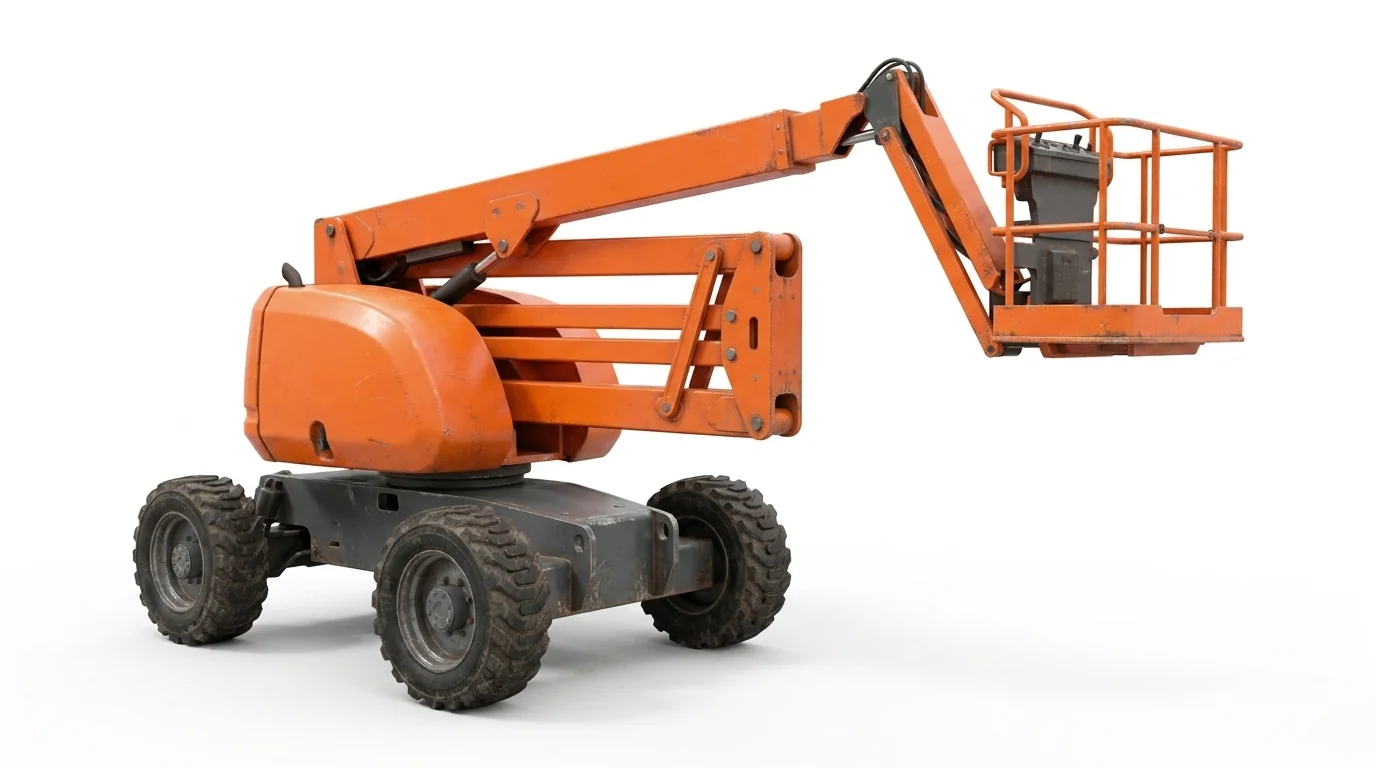
- Need to reach over conveyors, canopies, or recessed roofs: see articulating booms.
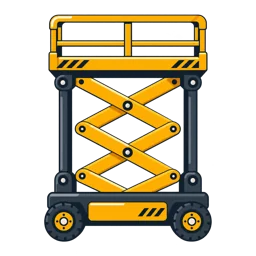
- Repetitive vertical tasks along smooth floors: compare electric scissor lifts.
- Material placement to elevated frames or decks: consider telehandlers.
Access and footprint details to capture
- Set-back room from the facade or structure.
- Travel path width from gate to work zone.
- Surface type along the entire route, not just the set-up pad.
- Overhead clearances under lines, bridges, or mezzanines.