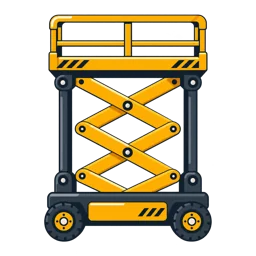
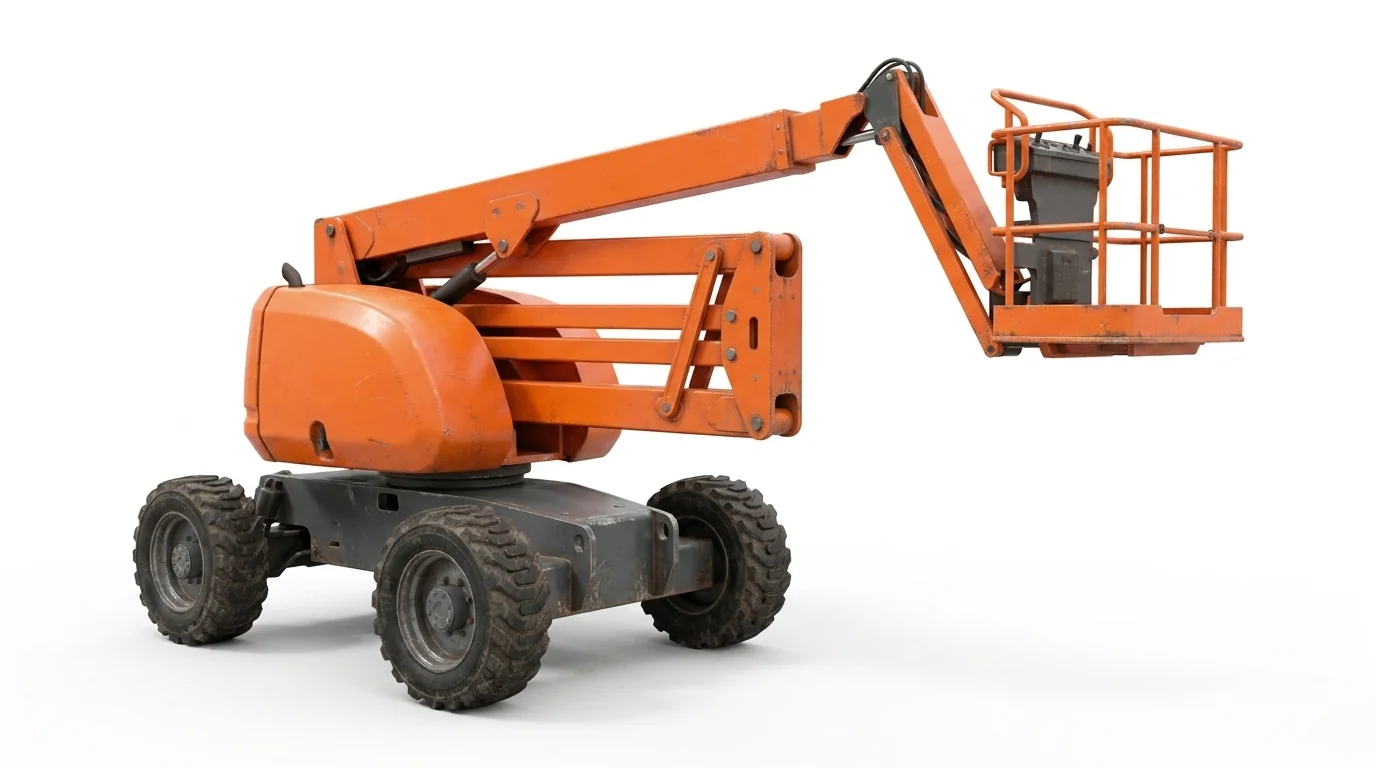
Scissor vs. boom in local conditions
- Scissor lifts: Best when the platform can sit under the task on firm, level surfaces. Indoors, electric slab units protect finished floors; outdoors on unfinished sites, rough‑terrain models handle soft or uneven ground. Compare categories at /electric-scissor-lift-rental/ and /rough-terrain-scissor-lift-rental/.
- Boom lifts: When the task is blocked by conveyors, canopies, setbacks, or landscaping, outreach matters. Articulating booms navigate up and over obstacles; telescopic booms reach farther in straight lines. Start at /boom-lift-rental/.
Indianapolis factors that change the pick
- Logistics interiors: Long aisles and continuous shifts reward quiet, fume‑free electric machines that can run extended duty cycles.
- Wet seasons and silty clay loam: Outdoor work after rain often needs 4x4 traction, ground clearance, and wider tires.
- Mixed‑use downtown work: Alternating interior fit‑outs and exterior punch lists can require both scissor and boom access on the same schedule.
Sizing checkpoints
- Working height and any horizontal offset
- Stowed width for doors, gates, and aisle constraints
- Platform capacity for people and tools
- Turning radius and tail swing in confined areas
Complementary site equipment
- /forklift-rental/ for palletized materials
- /telehandler-rental/ for exterior placement near façades
- /generators-light-towers-rental/ for extended hours
- /temporary-fencing-barricades-rental/ and /storage-containers-rental/ for secure, phased work
Actual conditions, the selected unit’s instructions, and site procedures govern aerial work.