Fit the machine to the path, then the task
Start by tracing the route from unloading to the work zone: - Narrowest doorway or corridor width - Elevator cab dimensions and weight limits, if applicable - Floor type and finish (sealed slab, epoxy, tile) - Aisle width near racking or machinery
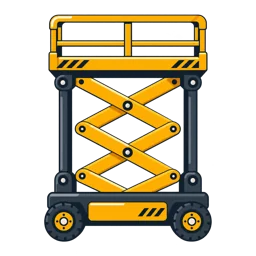
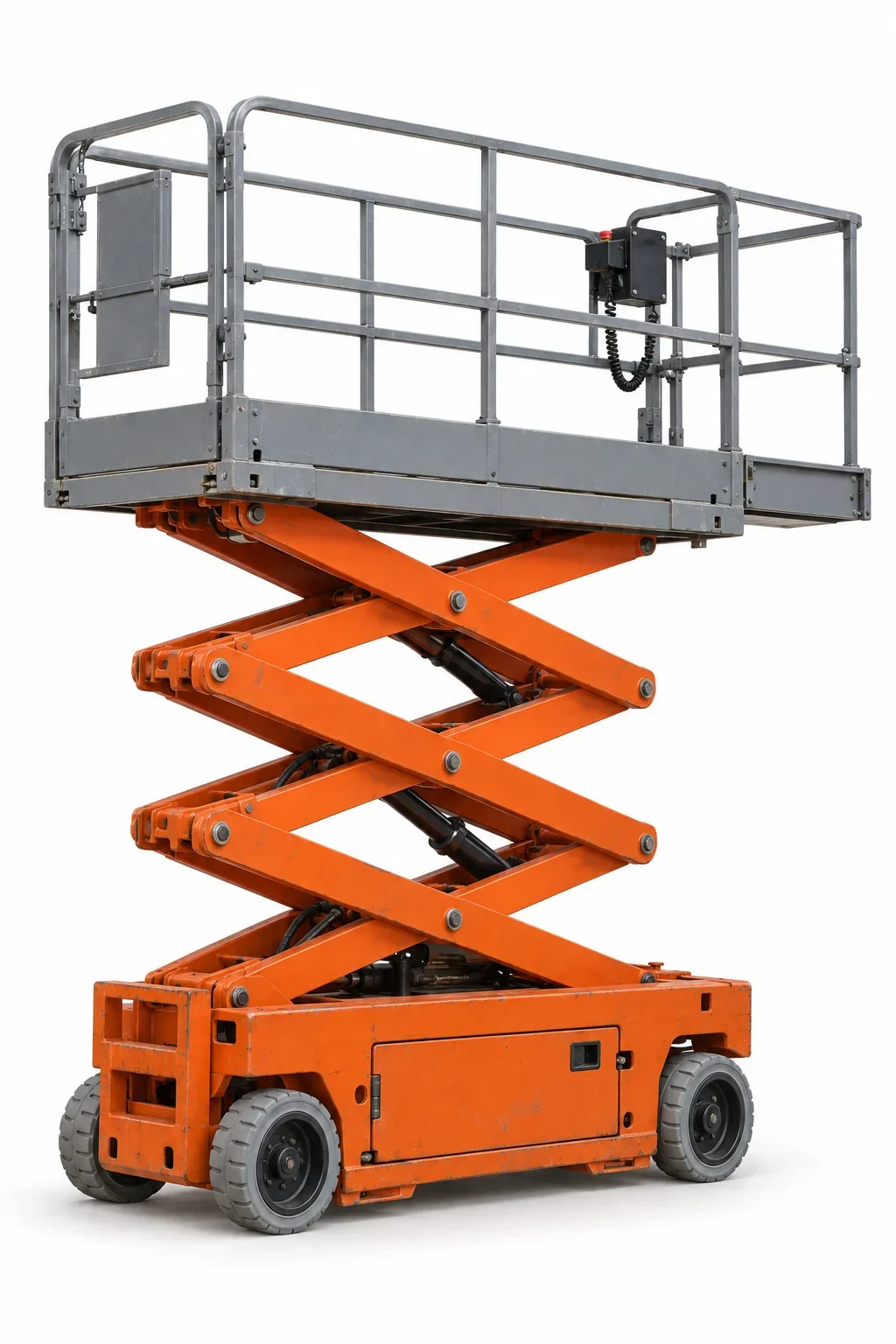
When the unit can reach the work from directly below and roll on a smooth slab, an electric scissor lift is a strong match.
Indianapolis facility patterns that matter
- Logistics‑grade reliability: Local sorting and storage spaces often run around the clock. Units with higher‑capacity batteries and efficient drive systems reduce mid‑shift charging breaks.
- Floor protection: Non‑marking tires and leak‑containment features help preserve finished floors common in commercial interiors.
- Noise sensitivity: Electric drives support overnight or early‑morning schedules inside busy facilities.
Key measurements to select a size
- Platform height and working envelope for lighting, MEP, signage, or rack maintenance
- Platform width to fit doorways and aisles
- Platform capacity for people and tools on extended tasks
- Turning radius for tight interior corners
If the task requires side reach around conveyors or over equipment, compare boom lifts at /aerial-lift-rental/ or go directly to /boom-lift-rental/.
When conditions point outside the slab category
If the route crosses unfinished ground, gravel, or wet seasonal surfaces, electric slab units lose traction and clearance. Shift the comparison to /rough-terrain-scissor-lift-rental/ or consider a telehandler at /telehandler-rental/ for material placement separate from access.
Related indoor equipment planning
- /vertical-mast-lift-rental/ for extremely tight point access
- /forklift-rental/ for pallet handling near the lift zone
- /storage-containers-rental/ to stage parts and protect finishes during phased work
Actual conditions, the selected unit’s instructions, and site procedures govern any elevated task.