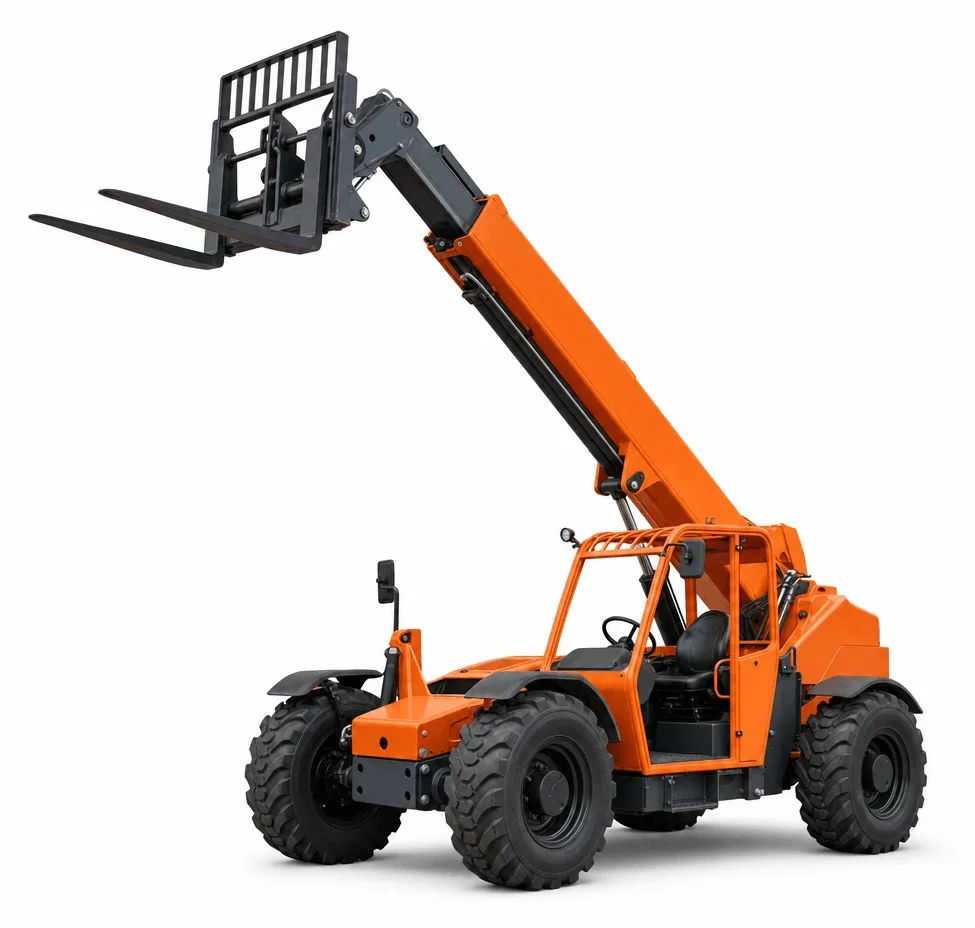
Telehandlers bridge the gap between ground staging and elevated placement on frames, roofs, and mezzanines. In Indianapolis, job logistics often combine tight downtown sites with active industrial yards. Soft ground after wet weather, plus frequent curb transitions and mixed surfaces, affects tire, drive, and carriage choices. Start with lift chart needs and the working radius you must hit, then check how the machine will travel from laydown to set point.
Define the placement task
Maximum lift height and forward reach at the load weight you actually handle.
Preferred carriage style for the load geometry and landing zone.
Visibility and approach angle to the landing area.
These details drive size class. A smaller unit may place pallets at moderate height in infill sites, while larger frames suit panel and bundle placement on exterior decks.
Local surfaces and routing
Indianapolis soil can be slick and rutted during wet periods. Rough-terrain drivetrains and appropriate tires manage mixed surfaces between laydown and structure. For work near local distribution buildings, paved routes and dock aprons may allow tighter-turning machines with less ground clearance. Curbs, drains, and dock plates along the route can be the actual pinch points, not the destination height.
Coordinating with other lifts
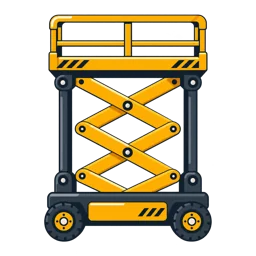
Telehandlers often share space with boom lifts and rough-terrain scissor lifts. Confirm turning radii and staging pads so material movement doesn’t block aerial access. Where interior placement is the goal, verify slab ratings and doorway widths before committing to a larger chassis.
Environmental considerations
Wind exposure at open industrial sites can affect handling at reach. Site procedures and the unit’s instructions determine allowable work and load chart use. Ground conditions at the set-down point matter as much as along the travel path.
Equipment questions
Questions about Indianapolis planning
What capacity details matter most on Indianapolis projects?
Actual load weight at the required forward reach is the key number. Many projects involve pallets, light steel, or enclosure materials; the chart capacity at that radius determines the viable size class.
How do mixed surfaces from laydown to structure change the selection?
Silty clay loam and seasonal moisture create soft sections between paved areas. Rough-terrain drivetrains and suitable tires help maintain traction and stability over those transitions.
When is a boom lift a better fit than a telehandler?
If the goal is personnel access to do work at height rather than placing materials, a [boom lift](/boom-lift-rental/) usually fits better. Telehandlers excel at moving and setting loads at elevation.