Articulating vs. telescopic in local use
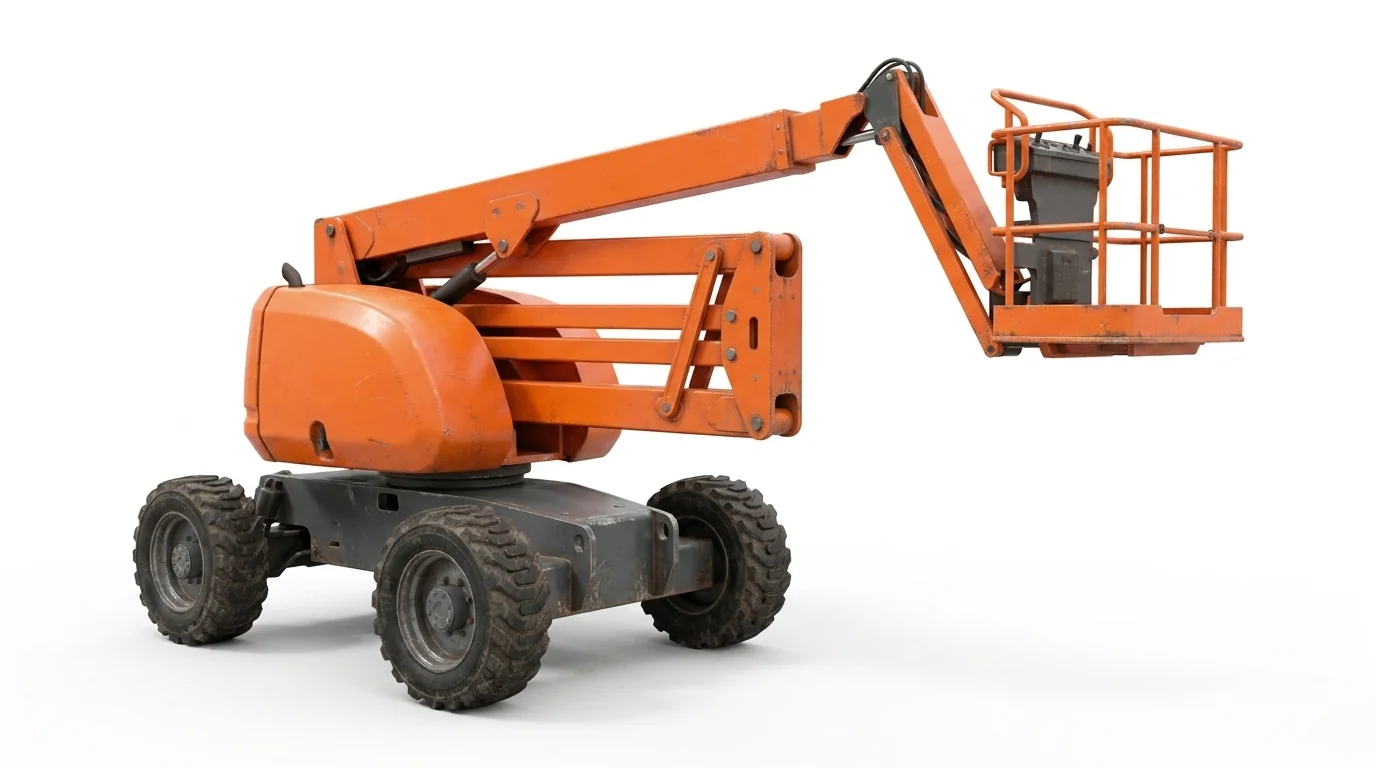
- Articulating booms: Jointed booms reach up and over racking, mezzanines, or architectural projections. They’re common in industrial interiors with complex layouts.
- Telescopic booms: Straight booms maximize horizontal reach for open façades, signage, or site work with clear sightlines.
Indianapolis conditions that change the setup
- Logistics facilities: Tight turning areas and overhead obstructions favor compact articulating units with precise positioning.
- Outdoor sites on silty clay loam: After rain, soft ground can limit travel. Rough‑terrain packages with 4x4 drivetrains and larger tires help approach the work zone.
- Mixed‑use redevelopment: A single project may alternate between interior articulating work and exterior telescopic reach during different phases.
Measurements that narrow the model
- Required working height and horizontal outreach
- Stowed width and tail swing for aisles, alleys, or scaffolds
- Platform capacity for tools and materials
- Access route grade and surface firmness from unloading to setup
When a scissor lift is better
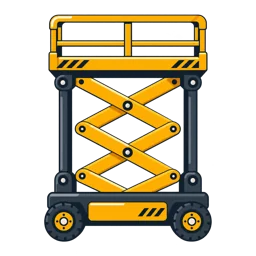
If the task is directly overhead and the surface is firm and level, a scissor can provide a wider work deck with higher platform capacities. Compare /electric-scissor-lift-rental/ for interiors and /rough-terrain-scissor-lift-rental/ for outdoor slabs or unfinished ground.
Related planning tools
- /telehandler-rental/ to stage materials at elevation
- /forklift-rental/ for interior pallet movement
- /generators-light-towers-rental/ to support off‑hour work windows
Actual conditions, the selected unit’s instructions, and site procedures govern elevated work with booms.